Home Mold Inspection & Testing Mold Testing · Pueblo, CO
Serving Pueblo, CO
Pueblo County & Southern Colorado

Mold Testing in Pueblo, CO.

An independent lab reads your indoor air against a sample taken outside, and you get the numbers in writing.

Read by an independent lab Indoor counts beside an outdoor sample
Woman stretching out on a sofa in a bright living room

"Jim and Karen are fantastic they did an outstanding job and explained the process to me the entire time. They were early for my appointment and very detailed. I strongly recommend them for any of your mold issues you may have"

Gino Castillo · Google review

Mold testing in Pueblo, CO, can tell you whether a stain or a smell is mold and which rooms carry more spores than the air outside. Jim and Karen Blagg take the samples themselves, and an independent lab identifies and counts the spores.

Tracing the water to where it gets in is an inspection's job, and our mold inspection and testing service often covers both in one visit.

Verified Reviews

Trusted by homeowners across Pueblo County & Southern Colorado.

5.0/5 stars on Google. Every reviewer is a real client.

Sampling Methods

Air samples and surface samples answer different questions.

Air samples, inside and out

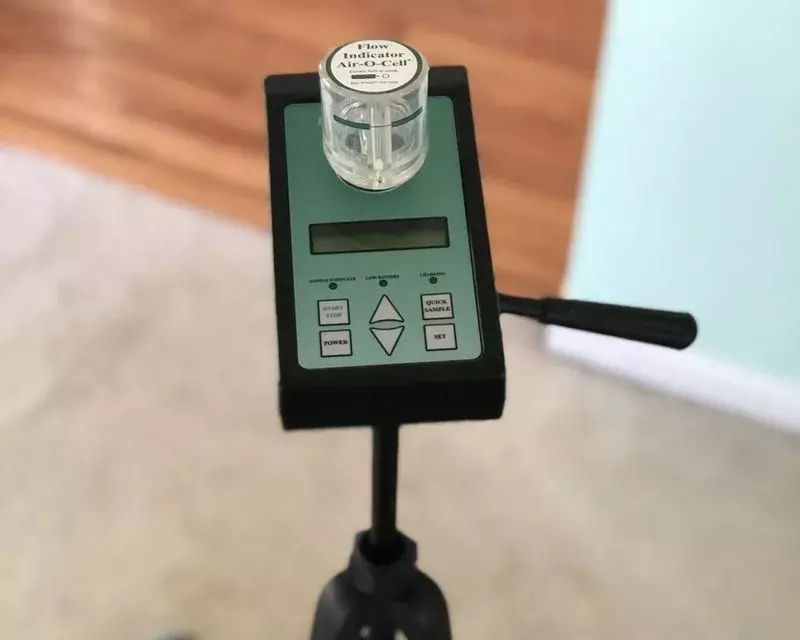
A pump draws a measured volume of air through a spore trap cassette, such as an Air-O-Cell, where spores stick to a slide. Jim and Karen take one sample outdoors as a control and one in each room of concern.

The lab reports spores per cubic meter of air, by type. The sample can't show where the growth is, and it describes the air on that day.

Surface samples: tape lifts and swabs

Clear tape pressed onto a stain lifts spores for the lab to examine under a microscope. A swab reaches rough surfaces and tight corners where tape won't lie flat.

A surface sample tells you whether a spot is mold and which kind, though not how much is in the air or how far the growth runs.

Spore trap cassette attached to an air sampling pump on a tripod Air sampling
The Sampling Visit

How Jim and Karen take the samples.

Outdoor spore levels can rise and fall with the weather, including the monsoon storms that run from about mid-July into September, so Jim and Karen take an outdoor sample on the same visit as the indoor ones.

In the city's older homes (about 10,500 date from 1939 or earlier, many in the Northside and Bessemer), a musty basement or cellar is a common place to start. About half of Pueblo West's homes were built in 2000 or later, and there moisture more often comes from plumbing or a bathroom.

Tell them if a swamp cooler has been running, because the Department of Energy notes that direct evaporative coolers raise indoor humidity.

DIY or Professional

Home test kits and professional testing.

Many hardware-store kits are settle plates: a dish of growth medium left open in a room, then covered and watched for colonies. They're quick and easy to use.

Spores land on nearly any plate

The EPA notes that mold spores float through outdoor and indoor air, so a plate in nearly any house catches some. Colonies on the dish don't by themselves mean the house has a problem.

No measured volume of air

A plate collects whatever falls onto it, and heavy spores settle faster than light ones. There's no count per cubic meter to compare.

No outdoor baseline

Without a second plate outside at the same time, there's nothing to measure the indoor result against.

Dry air, hidden growth

With summer afternoons outside averaging 29 to 35 percent humidity, indoor mold here often grows out of sight, so a clean plate on a counter can't rule it out.

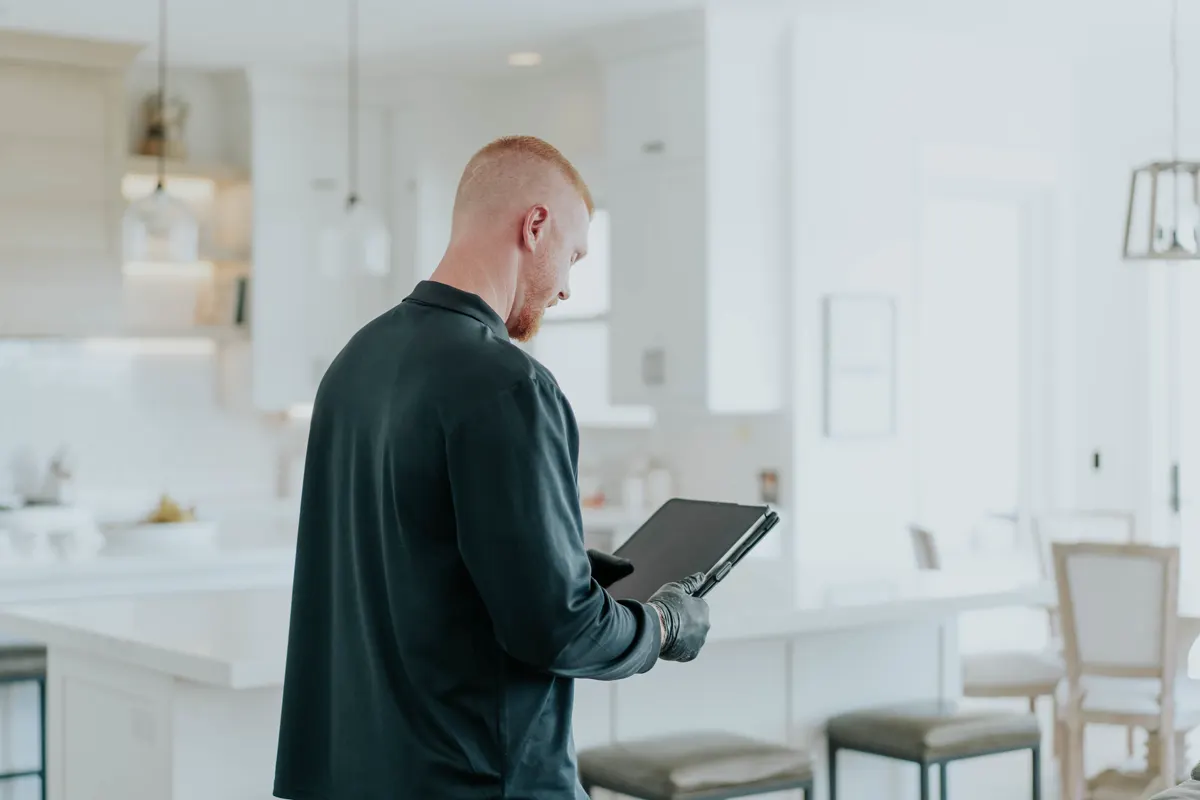
Man reading notes on a tablet in a bright white kitchen Your results
Your Lab Report

Reading the numbers in your lab report.

The lab lists each sample by location, with a spore count per cubic meter of air and the mold types found, named to genus. With no official indoor limit to measure against, your outdoor sample is the yardstick.

In a dry house, indoor counts usually sit below the outdoor count, with a similar mix of types. A room that reads higher than outside, or holds a type that barely appears outdoors, can point to something inside adding spores. Cladosporium, for example, is common outside, while some molds, such as Stachybotrys, need materials that stay wet.

The same comparison backs our treatment guarantee. We guarantee indoor mold levels will be lower than outdoor levels after treatment, or we retreat at no additional cost.

Good Times To Test

When a mold test makes sense in Pueblo.

A stain you can't identify. A tape lift can show whether a dark patch on a wall or ceiling is mold or something else, such as dirt or soot.

A musty smell with nothing to see. Air samples from the rooms where it's strongest, read against the outdoor sample, can show whether the smell comes with extra spores and which rooms to look at first.

A rental with damp and mold. Colorado law requires landlords to act on mold tied to dampness, and Pueblo's public health department can enforce local codes after a written complaint. Lab results give a complaint something measured to point to.

A home kit that grew colonies. Air samples read against an outdoor sample give the count a settle plate can't.

A musty room in a house you're buying. Testing before closing gets the lab's numbers in writing while there's still time to ask questions.

What Happens Next

What happens after you call.

  1. 01

    The call and the visit

    On the first call you describe what you've noticed and when it started. The samples are taken in one visit.

  2. 02

    The lab reads the samples

    An independent lab identifies and counts the spores and sends back a written report.

  3. 03

    You decide

    The report ends with a recommendation, which may be no action at all. Once your plumber or roofer has fixed the leak, we treat the mold. Treatment uses the VaPURE process. The home has to be empty during the VaPURE treatment, with people, pets, and plants out. Most families are back the same day.

Frequently Asked

Questions about mold testing.

Often not. The EPA says that in most cases, if mold growth is visible, sampling is unnecessary. The next step is usually finding the water that feeds it.

It depends on how many samples your question needs, because each one is a separate lab analysis. Jim and Karen give you the price before they take any.

The lab names each mold to genus, so Stachybotrys, the mold people usually mean by black mold, appears by name if it's in the sample. Color alone can't identify a mold, because many molds are dark.

Then you have a dated lab report that says so. If a smell or a stain still bothers you, an inspection can look for the source.

Schedule Your Free Consultation

Find out on the phone whether you need a test.

Tell Jim and Karen what you've noticed, and they'll say which samples would answer your question, or whether a moisture inspection should come first.

Or call us directly (719) 738-8303
Where We Work

We serve the homes of Pueblo County & Southern Colorado.

A small, senior team — so we treat each home like the only one we're working on this week. Currently accepting new clients across Pueblo County & Southern Colorado.

Pueblo

Belmont · Mesa Junction · Bessemer · Aberdeen · University Park · Sunset Park

This week
Nearby Cities

Pueblo West · Colorado City · Beulah · Boone

This week
Counties Served

Pueblo County · Fremont County · Custer County · Teller County · Huerfano County · Costilla County

This week
Service coverage
Pueblo County & Southern Colorado