Home Mold Remediation · Pueblo, CO
Serving Pueblo, CO
Pueblo County & Southern Colorado

Mold Remediation in Pueblo, CO.

Pueblo is dry most of the year, yet summer storms and old plumbing still get water into houses. Jim and Karen Blagg find the mold that follows and treat it, usually in one visit.

5.0/5 Stars on
Google Reviews
Same day Usually back
home that day
Lab-tested Before and after
treatment
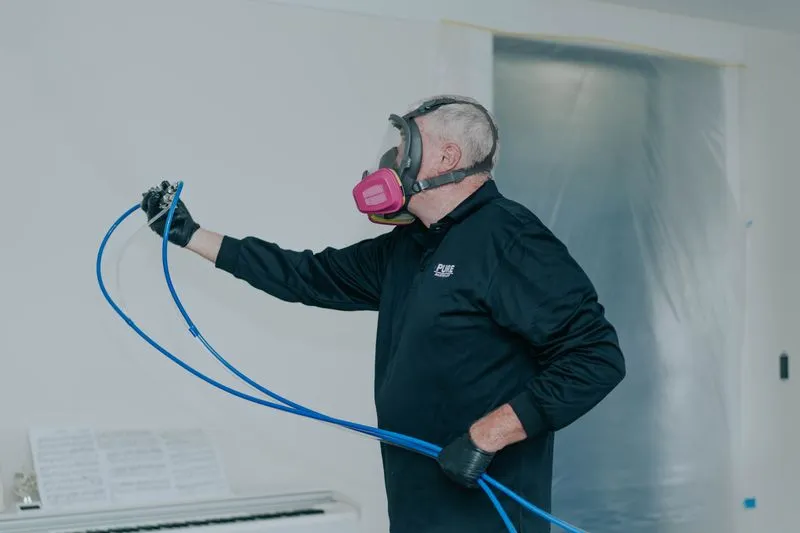
Jim & Karen Blagg They inspect and treat in person
VaPURE treatment nozzles being set up in a living room

"Pure Maintenance was amazing! Jim and Karen were professional, explained everything clearly, and took care of our mold problem quickly. We highly recommend - FIVE STARS isn’t enough for the care, honesty, and thorough work Karen and Jim gave us!"

Kathy Jowett · Google review

Many calls about mold remediation in Pueblo, CO start with a musty basement or a ceiling stain that keeps coming back. Jim and Karen Blagg, who own Pure Maintenance of Pueblo, come to the house first. They look for where the moisture is getting in and take air samples for an independent lab.

Then they treat the house with VaPURE, a vapor that reaches inside walls and ductwork without opening them in most homes. A second set of samples goes to the same lab afterward, and you get the written report.

They don't tear out drywall or fix leaks. If water is still getting in, they'll show you where, and once your plumber or roofer has fixed it, they treat the mold.

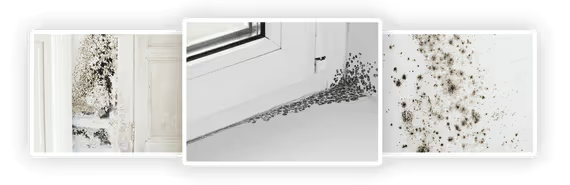
Mold growing on a wall, along a window frame and across a painted surface
Mold often shows up first around windows and along baseboards.
Verified Reviews

Trusted by homeowners across Pueblo County & Southern Colorado.

5.0/5 stars on Google. Every reviewer is a real client.

Why it happens here

How water gets into Pueblo houses.

Pueblo averages about 12 inches of rain and melted snow a year. Most of it falls between April and September, often in short, heavy storms, and it lands on houses that are older than most in Colorado.

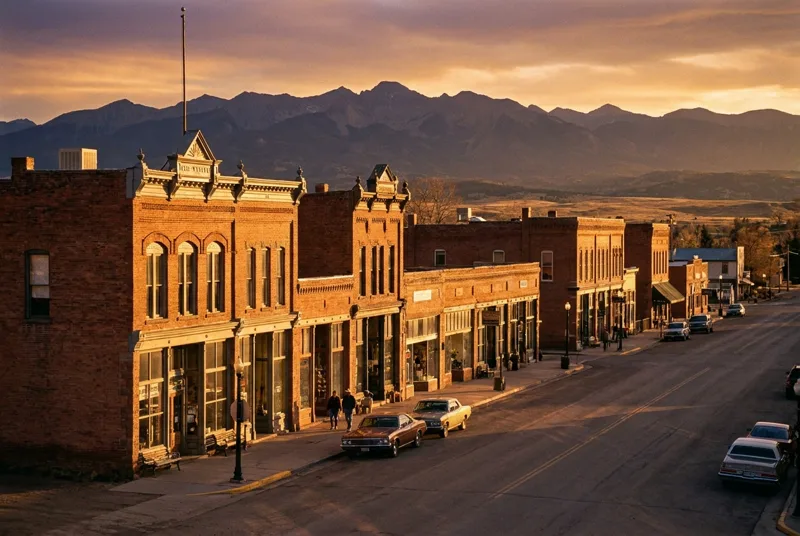
Historic brick storefronts in Pueblo, CO
1965Median year a City of Pueblo home was built (Colorado: 1988)

About 44% of the city's homes went up before 1960, and more than one in five before 1940. In Bessemer, the steel company built hundreds of four- and five-room houses west of the mill. The North Side began filling in during the 1880s, and Mesa Junction was a trolley stop in the old town of South Pueblo.

Plaster over wood lath is common in homes built before the 1940s, and the National Park Service notes that gypsum plaster is more vulnerable to water damage than lime. A slow leak under an old bathroom or at a worn roof flashing often goes unseen for years.

2.11 inAverage August rain, Pueblo's wettest month

July is close behind. Monsoon moisture arrives from mid-July into September, and the last week of July into early August is Colorado's peak flash-flood season. The EPA says wet materials should be dried within 24 to 48 hours. A basement or crawl space soaked in one of these storms often stays damp longer than that, and a swamp cooler running through the same weeks adds moisture indoors.

July 29, 2009Pueblo's costliest hailstorm

Colorado's hail season runs from mid-April to mid-September, and Pueblo County logged 91 hail reports from 2018 to 2025. A roof cracked or dented by hail can let water into the attic for months before a stain shows on the ceiling. Once your roofer has fixed the roof, Jim and Karen treat the attic and whatever the water reached.

1921The Arkansas River floods downtown

On June 3, 1921, the river topped its levees and put the business district under water. Afterward it was moved about a third of a mile, and the Riverwalk now runs in the old channel (Colorado Public Radio has the history). Fountain Creek flooded 53 city blocks in June 1965. More than 90% of Pueblo's 100-year floodplain is built on, and summer storms still flood basements, as they did in south Pueblo in July 2025.
Remediation services

Where mold turns up in Pueblo homes.

Each page below covers one part of the house: what tends to cause mold there and how Jim and Karen treat it.

Mold on walls

Plaster or drywall with a leak or a cold spot behind it.

Why Jim and Karen

Why Pueblo homeowners call Jim and Karen.

Pure Maintenance of Pueblo is owned and run by Jim and Karen Blagg. The two of them inspect your home and run the treatment themselves, and they explain each step as they go.

The owners do the work

Jim and Karen handle the inspection and the treatment in person, so the people who found the mold are the ones who treat it.

Plain explanations

Jim and Karen tell you what they found and what they would do about it, in plain terms, before you commit to anything.

An independent lab checks the air

Samples go to an independent lab we don't own, before treatment and after it. You keep the written report.

Hidden spaces, treated in place

The vapor spreads through the treated space, so the inside of a wall or a duct gets treated along with the room.

The water comes first

Treatment holds up best in a dry house, so Jim and Karen show you where the moisture is coming from before they schedule it.

Your walls stay up

In most homes the mold is treated where it grows, and the drywall stays where it is.

Inside VaPURE

How the VaPURE treatment works.

VaPURE turns a sterilant into a fine vapor that spreads through the treated space and settles on surfaces, including the ones you can't see. A second stage leaves an antimicrobial protectant that bonds to surfaces and helps resist regrowth. The active component of our sterilant is on the EPA's Safer Chemical Ingredients List.

  • Treats mold on surfaces and in the air
  • Belongings can stay where they are
  • Two stages: sterilant, then antimicrobial protectant
  • Field-tested by the U.S. Army Corps of Engineers
How VaPURE compares

How VaPURE compares with other approaches.

If a material is too damaged to keep, Jim and Karen will tell you. For everything else, this is how the options line up.

Features
VaPURE
Traditional remediation
DIY bleach & scrub
Ozone machine
Walls and floors stay in placeIn most homes
Reaches wall cavities and ductwork without opening them
Air samples read by an independent lab, before and after
Varies
Antimicrobial protectant left on treated surfaces
Varies
Usually finished in one visit
Varies
Varies
Rentals, landlords & commercial

Rentals and bigger buildings.

About 39% of households in the city of Pueblo rent. Under Colorado's HB19-1170, mold associated with dampness breaches the warranty of habitability, and a landlord must act within 96 hours of notice. The Pueblo Department of Public Health and Environment enforces local codes after a written complaint, but it doesn't clean up mold itself. Its advice is to consult a mold remediation company.

Book Free Consultation
  • Landlords and property managers. Jim and Karen can inspect and treat a unit, and the lab's before-and-after report gives you a record of what was done.
  • Tenants. An inspection with lab results gives you something in writing to share with your landlord.
  • Offices, shops and other businesses. The same process, scheduled around your hours. See commercial mold remediation in Pueblo.
The VaPURE process

Four steps, start to finish.

The short version is below. The walkthrough after it covers what Jim and Karen do at each stage.

  1. 01

    Find the water

    Jim and Karen inspect the house with moisture meters and send air samples to an independent lab.

  2. 02

    Treat the mold

    The VaPURE vapor carries the sterilant through the treated space, onto surfaces and into the air.

  3. 03

    Protect the surfaces

    An antimicrobial protectant goes on next and helps resist regrowth while the house stays dry.

  4. 04

    Check the result

    New samples go to the same lab, and you get the written before-and-after report.

Detailed walkthrough

What happens at each stage.

Most homes follow this sequence. Jim and Karen will tell you on the first visit if yours needs something different.

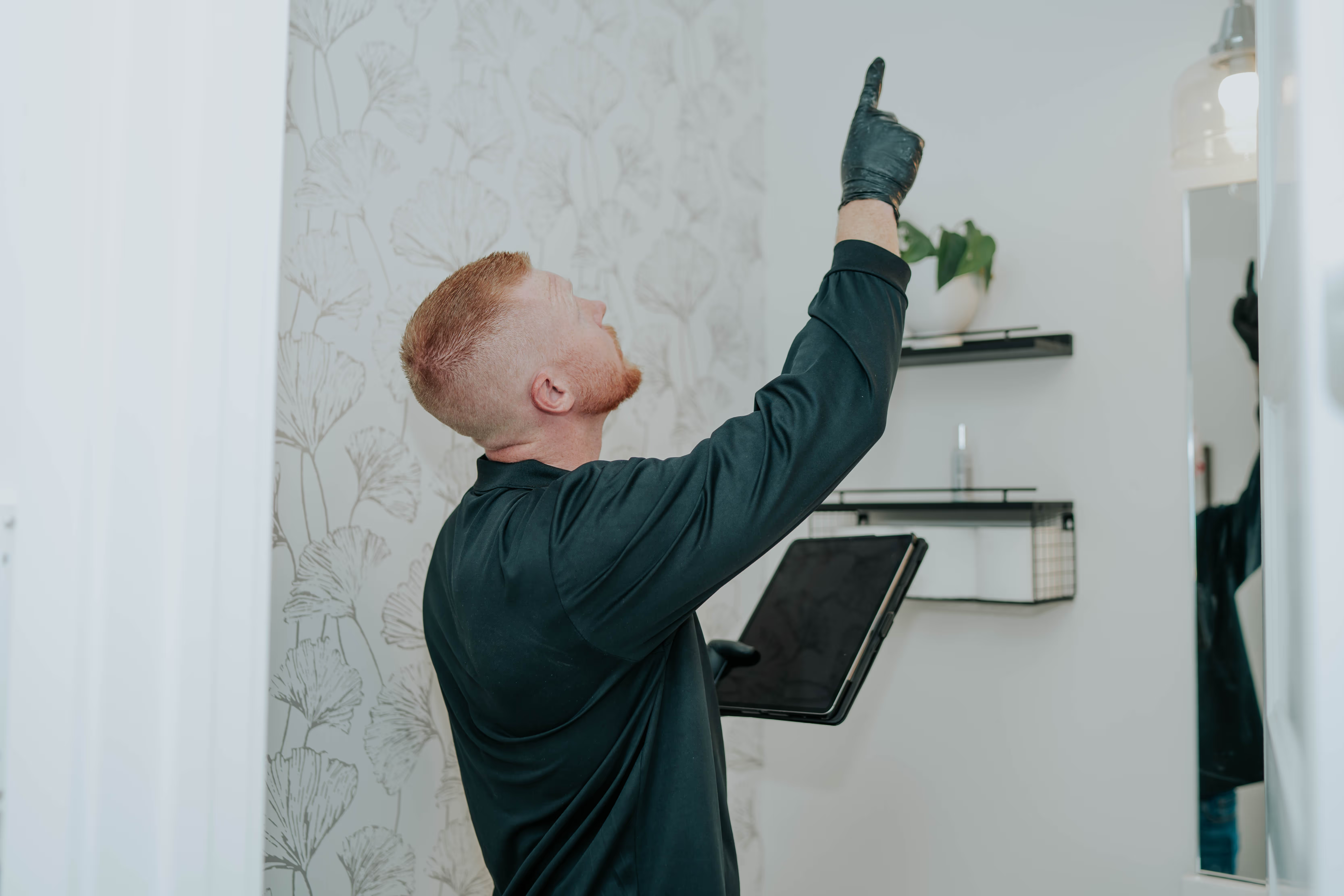
Mold inspection with a tablet and moisture readings in a Pueblo, CO home Moisture first
01  Inspection

We find the mold and the water feeding it.

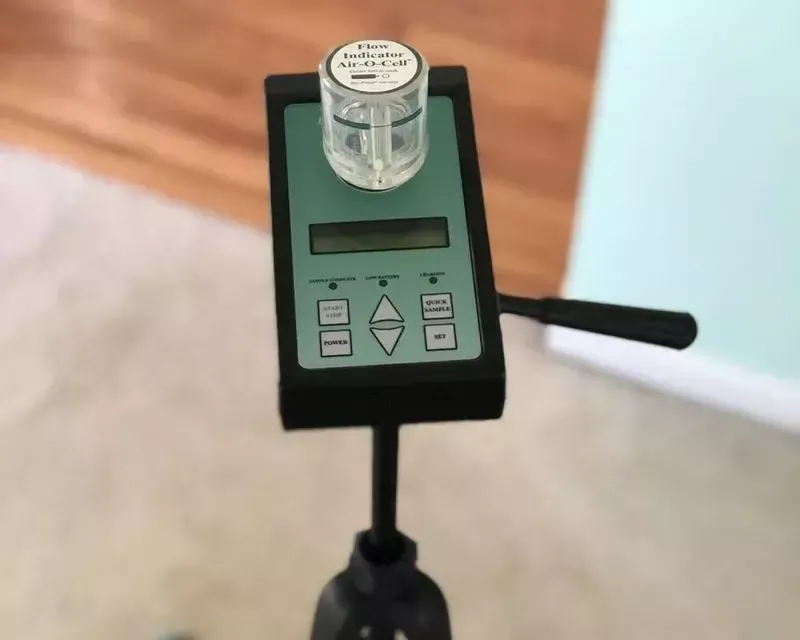
Jim and Karen walk the house with moisture meters and take Air-O-Cell or Via-Cell samples where a smell or a meter reading points them, plus one outside for comparison. In older homes the source is often a bathroom wall or a roof leak after hail.

If a pipe or roof is still leaking, they'll show you where, and they schedule the treatment once your plumber or roofer has fixed it. If a material is too damaged to treat, they'll tell you and point you to someone who handles that.

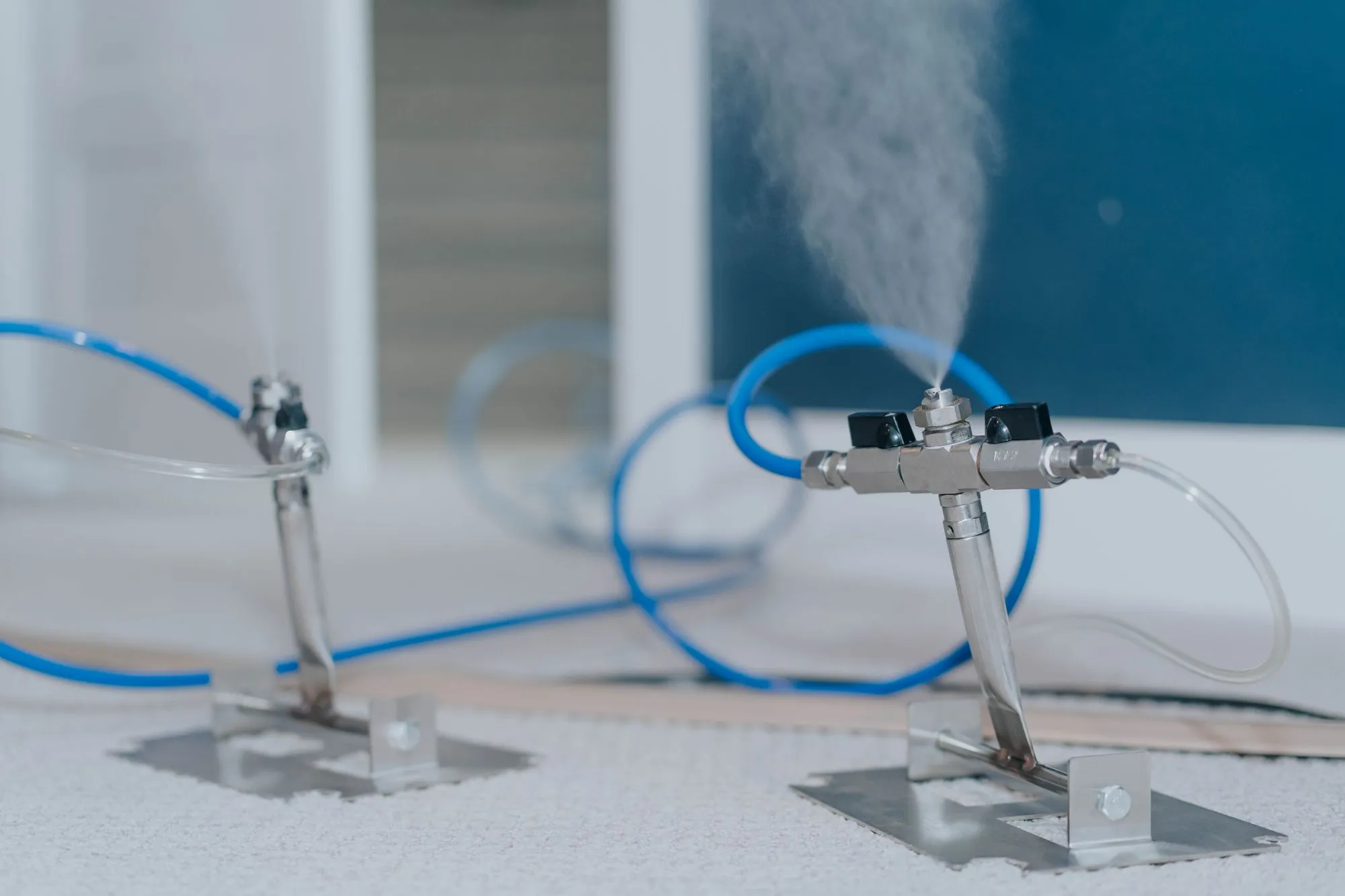
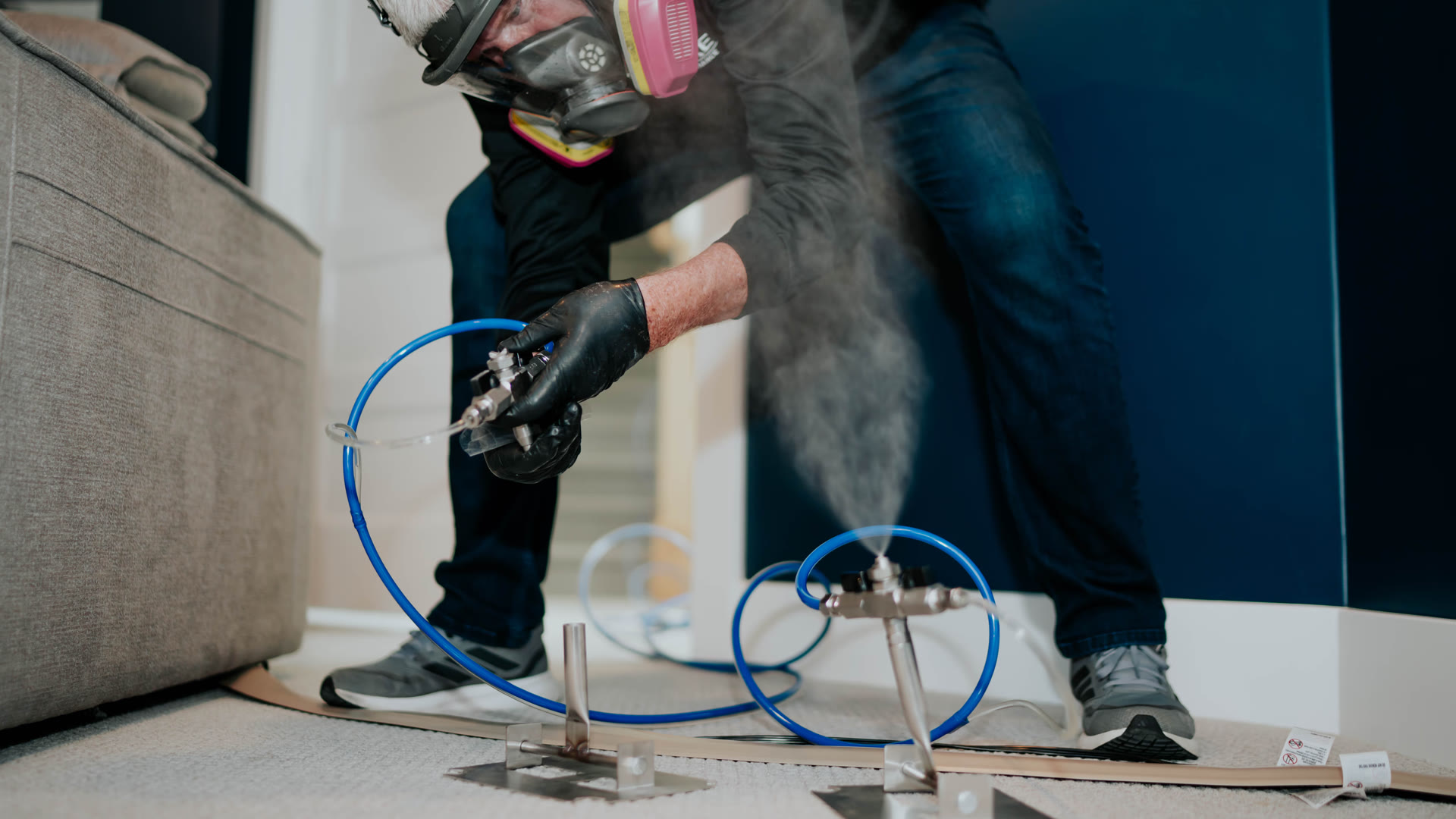
VaPURE vapor being released from treatment nozzles Usually one visit
02  VaPURE treatment

VaPURE treats mold on surfaces and in the air.

On treatment day the equipment disperses the sterilant as a fine vapor through the treated space. It moves like a gas, so it reaches wall cavities, attic framing, carpet and ductwork that a scrub brush can't. In a typical home the treatment takes 4 to 6 hours.

The home has to be empty during the VaPURE treatment, with people, pets, and plants out. Most families are back the same day.

Antimicrobial protectant being applied inside a home Protective coating
03  Protectant

A protectant helps resist regrowth.

The second stage applies an antimicrobial protectant that bonds to treated surfaces. It helps resist new growth as long as the house stays dry, which is why the leak gets fixed first.

Jim and Karen will point out what to keep an eye on, such as the ceiling under a hail-damaged roof or the floor beside a swamp cooler.

Lab analyst examining mold samples under a microscope Independent lab
04  Lab results

An independent lab checks the result.

Our guarantee. We guarantee indoor mold levels will be lower than outdoor levels after treatment, or we retreat at no additional cost.

After treatment, Jim and Karen take new air samples inside and outside and send them to the same independent lab. You get the lab's written report comparing before and after, whatever it shows.

The evidence

The research behind the VaPURE process.

Two published documents explain how VaPURE was field-tested and why it behaves like a gas. The third card is the report you get for your own home.

Army barracks treated in the Fort Campbell field study Field study · PDF
USACE · ERDCFort Campbell, KY

U.S. Army Corps of Engineers field test

The Army's Engineer Research and Development Center tested the VaPURE application system in two occupied buildings at Fort Campbell, Kentucky, and measured spore counts again six months later.

95%+Spore-count reduction still measured at six months
Read the report
Pages from the Pure Maintenance technical white paper White paper · PDF
Pure MaintenanceTechnical paper

How particle size and dwell time affect coverage

A Pure Maintenance technical paper on the variables behind the treatment: particle size, the change from liquid to vapor, and how long the vapor stays in the air.

7.5 µmDroplet size, about one-ninth the width of a human hair
Read the white paper
Air-O-Cell air sampling pump set up in a living room Your report
Independent labYour home

Your own before-and-after report

Jim and Karen sample the air before treatment and after it, inside and out, and an independent lab reads both sets. The report is yours to keep, and it's useful if you later sell or rent the house.

2Rounds of air samples, before and after
Frequently Asked

Questions about mold remediation.

Most homes need one treatment visit, and the treatment itself usually runs 4 to 6 hours. Before that comes the inspection visit, and afterward the lab needs time to read the samples.

No visible residue. The sterilant breaks down into acetic acid (the acid in white vinegar), oxygen and water shortly after treatment, so you may notice a faint vinegar smell for a short while.

No. Leave most belongings where they are. Tell Jim and Karen about any brass fixtures or other brass items when you book, so they can adjust the treatment.

Not during the treatment. Plan for everyone to be out, pets included, and take your houseplants with you. Jim and Karen will let you know when you can go back in.

A conventional remediation contractor usually cuts out moldy material and replaces it. Jim and Karen treat mold in place with a vapor, and an independent lab checks the result. If a material is too far gone to treat, they'll say so on the first visit and tell you who handles that.

It can if the moisture comes back. That's why Jim and Karen look for the source first, whether it's a roof leak after a hailstorm or a dripping supply line. Once your roofer or plumber has fixed it, the antimicrobial protectant helps resist regrowth.

It depends mostly on the size of the house and how many areas are affected. Jim and Karen give you an estimate after the inspection, before any work starts. The phone consultation is free.

Schedule Your Free Consultation

Talk it over with Jim and Karen.

Start with a free phone consultation. Tell them what you're seeing or smelling, and they'll explain what's likely behind it and whether a visit makes sense. They take calls Monday to Friday, 8 a.m. to 5 p.m.

Or call us directly (719) 738-8303
Where We Work

We serve the homes of Pueblo County & Southern Colorado.

A small, senior team — so we treat each home like the only one we're working on this week. Currently accepting new clients across Pueblo County & Southern Colorado.

Pueblo

Belmont · Mesa Junction · Bessemer · Aberdeen · University Park · Sunset Park

This week
Nearby Cities

Pueblo West · Colorado City · Beulah · Boone

This week
Counties Served

Pueblo County · Fremont County · Custer County · Teller County · Huerfano County · Costilla County

This week
Service coverage
Pueblo County & Southern Colorado