How to Check Your Home for Mold: A Comprehensive Guide
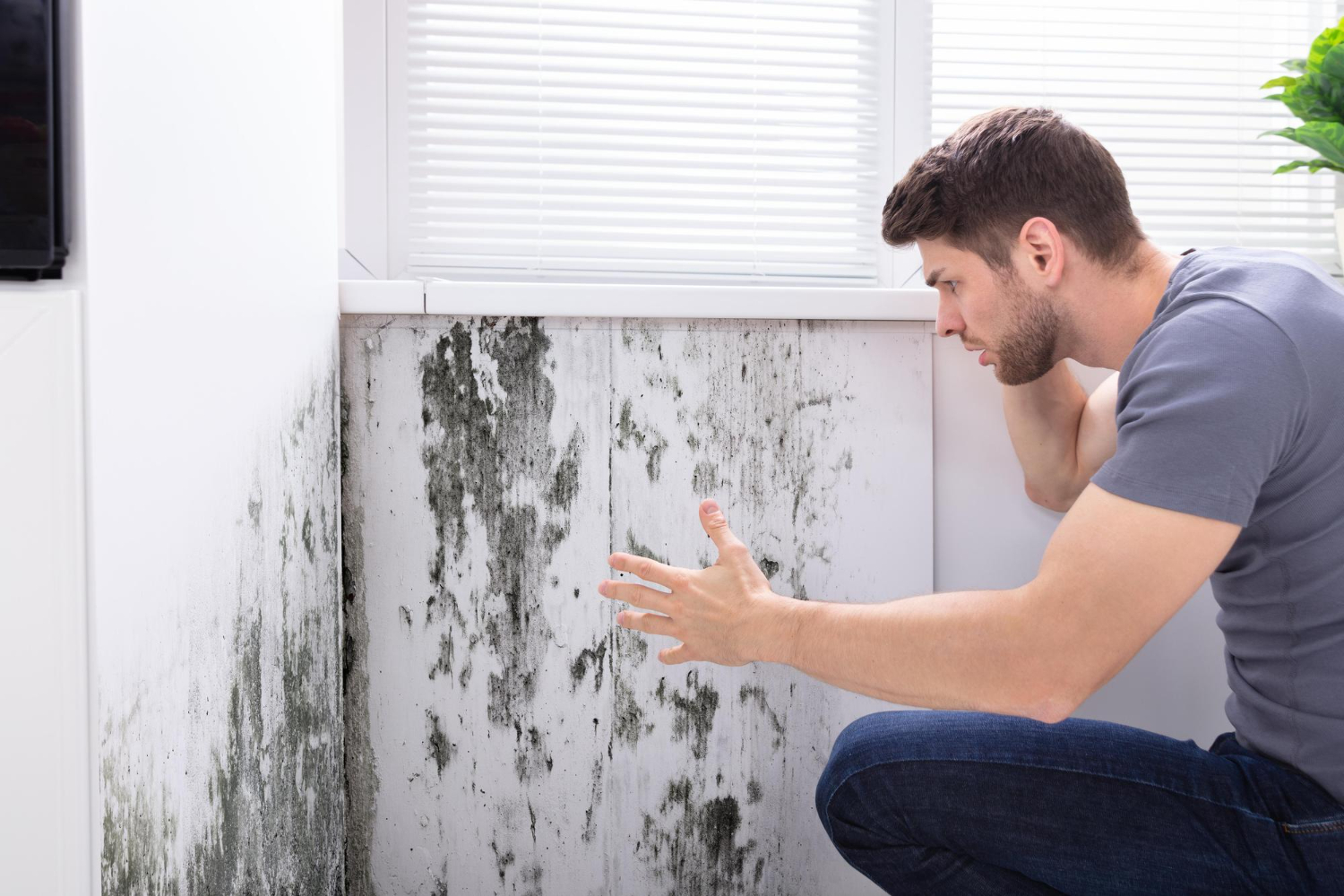
Mold grows where water sits, drips or condenses, so you can find most of it yourself with a flashlight, a good nose and an hour of looking. This guide covers the places we check first on a home visit, how to tell mold from its most common look-alike, and when to call in a professional.
Start with the smell
A musty, earthy odor is often the first sign, and it usually shows up before anything you can see. People get used to the smell of their own house, so ask a friend to walk in and tell you what they notice. If a room smells stronger when the heat or air conditioning first comes on, look at the furnace, the ducts and the filter.
Signs of moisture to look for
- Peeling or bubbling paint, and water stains on drywall or ceilings. Peeling paint usually means water behind it.
- Grout and caulk that stay dark after cleaning.
- Condensation that runs down the window glass and pools on the sill.
- Bread and fruit that go moldy within a few days on the counter, which can point to a high mold load in the home.
- A past flood or leak, even one that was cleaned up. Flooring, subfloors and wall cavities can stay wet for months after the surface looks dry.
Ten places to check
These are the spots where we find mold most often. Work through them with a flashlight.
- Bathrooms: the grout, the caulk around the tub and shower, the floor around the toilet, and the ceiling above the shower.
- Window sills and window tracks, especially on the north side of the house.
- Basement foundation walls, including the corners behind stored boxes and furniture.
- Sink drains, sink overflow holes and floor drains.
- Crawl spaces and attics, especially near vents and where pipes or ducts pass through.
- Toilets that rock or have lost their wax seal, which lets water seep into the subfloor.
- Front-load washing machines, around the rubber door seal and in the detergent drawer.
- Water softener salt tanks.
- Furnaces and ductwork, especially where a humidifier is attached to the furnace. An evaporative (swamp) cooler belongs here too, because its pads and water pan stay damp while it runs.
- Under the toilet tank lid.
Mold or efflorescence?
White growth on a concrete or cinder-block wall is often efflorescence: mineral salts left behind as water soaks through the wall and dries. It can also be mold. Press it with a gloved finger. Efflorescence is hard and crunchy, like dry cereal. Mold is soft and powdery, more like cotton candy. Either one tells you water is coming through the wall, so it's worth tracking down the source.
What home test kits can tell you
The petri-dish kits sold in hardware stores tell you very little. Mold spores are part of outdoor air and come inside through doors and windows, so a dish left open in almost any home will grow something. Professional air samples are more useful, but they have limits too. A spore trap measures the spores floating in a small volume of air at one moment, and mold that has plenty of moisture often isn't releasing spores at all. A good inspection weighs what the inspector sees and smells alongside the lab results.
What not to do
Don't scrub, sand or scrape large patches of mold, because disturbing it sends spores into the air and spreads them through the house. Don't count on bleach either. It can lighten a stain without treating the mold in porous materials like drywall and wood. Most important, deal with the water first. Mold returns wherever moisture stays, so a leak, a failed seal or a wet crawl space needs a plumber or contractor before any mold treatment can hold.
When to call for an inspection
Call a professional if you smell mustiness but can't find the source, if you've had a flood or a long-running leak, or if the growth covers more than a small patch. A professional mold inspection covers the places that are hard to reach yourself, like ductwork and crawl spaces. The inspector takes moisture readings and sends air and surface samples to an independent lab, so you know how far the problem goes. If your worry is below ground, start with a basement mold inspection.